

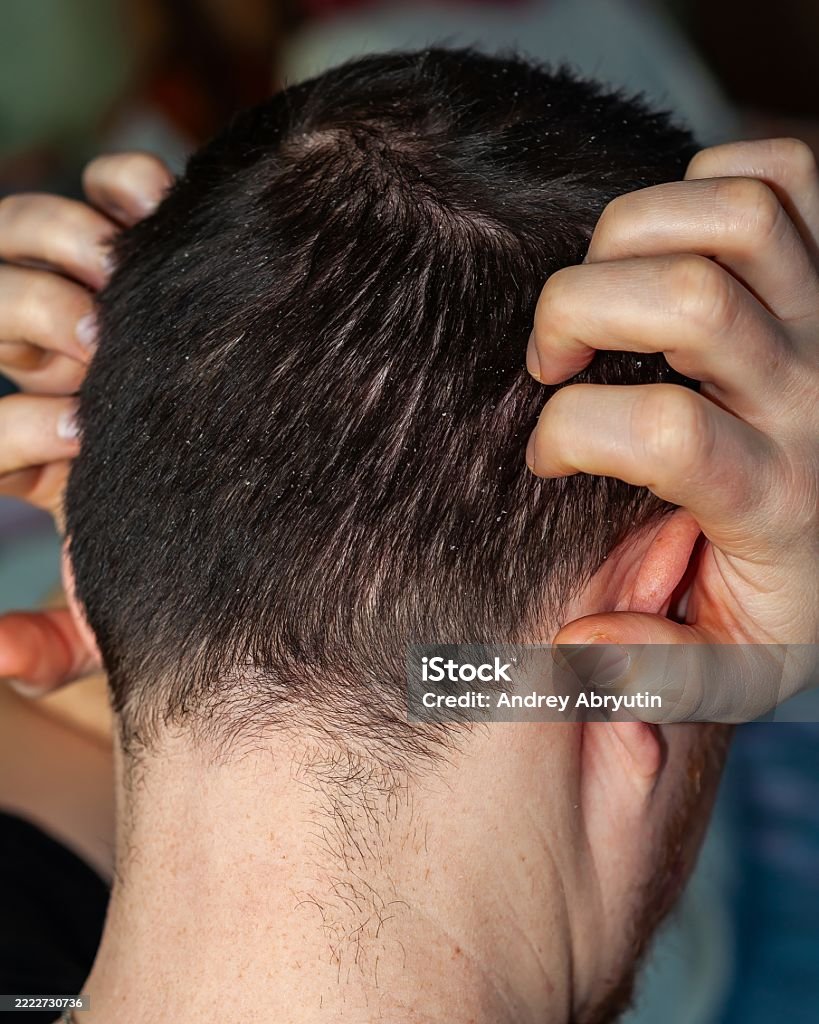
An itchy, flaky scalp is more than just an inconvenience—it can be a sign of dandruff or a scalp infection. While dandruff is common and usually harmless, untreated scalp infections can lead to discomfort, hair fall, and even scarring in severe cases.
Understanding the difference is the first step toward healthy hair and scalp.
What Is Dandruff?
Dandruff is a non-contagious scalp condition where dead skin cells shed excessively, forming visible white or yellow flakes.
Common Causes of Dandruff:
- Overgrowth of Malassezia (a natural scalp fungus)
- Oily scalp
- Dry skin
- Irregular shampooing
- Stress and poor immunity
- Sensitivity to hair products
Symptoms of Dandruff:
- White or yellow flakes on scalp and shoulders
- Mild to intense itching
- Greasy or dry patches on scalp
- No pain or swelling
👉 Dandruff does not usually cause permanent hair loss, but scratching can weaken hair roots.
What Are Scalp Infections?
Scalp infections occur when fungi, bacteria, or parasites infect the scalp. These conditions are more serious than dandruff and often require medical treatment.
Types of Scalp Infections:
- Fungal infections (Tinea capitis / Ringworm)
- Bacterial infections (Folliculitis, impetigo)
- Yeast infections
- Parasitic infestations (head lice)
Symptoms of Scalp Infections:
- Red, inflamed, or swollen scalp
- Painful or itchy sores
- Pus-filled bumps or crusting
- Patchy hair loss or broken hair
- Burning or tenderness
- Sometimes fever or swollen lymph nodes
⚠️ Unlike dandruff, scalp infections can spread and may cause hair loss if ignored.
Key Differences: Dandruff vs Scalp Infection
| Feature | Dandruff | Scalp Infection |
|---|---|---|
| Cause | Fungal imbalance, dry/oily skin | Fungi, bacteria, parasites |
| Flakes | White/yellow, dry or greasy | Thick crusts, pus, scales |
| Pain | No | Often painful |
| Hair Loss | Temporary (from scratching) | Patchy or permanent |
| Contagious | No | Some types are contagious |
How to Treat Dandruff
- Use anti-dandruff shampoo (ketoconazole, zinc pyrithione, selenium sulfide)
- Shampoo 2–3 times a week
- Avoid heavy oils on scalp during flare-ups
- Reduce stress and improve sleep
- Keep scalp clean and dry
Most dandruff improves within 2–4 weeks with proper care.
How to Treat Scalp Infections
Scalp infections often need medical treatment, such as:
- Antifungal oral or topical medicines
- Antibiotics (for bacterial infections)
- Medicated shampoos
- Avoiding shared combs, towels, and hats
🚨 Do not self-medicate if you see pus, swelling, or patchy hair loss—see a dermatologist immediately.
Can Dandruff and Scalp Infections Cause Hair Fall?
- Dandruff: Temporary hair fall due to itching and inflammation
- Scalp infections: Significant hair loss, sometimes permanent if untreated
Healthy scalp = healthy hair.
Prevention Tips for a Healthy Scalp
- Wash hair regularly with mild shampoo
- Avoid sharing personal hair items
- Dry scalp thoroughly after washing
- Limit chemical treatments and heat styling
- Eat a balanced diet rich in zinc, iron, and vitamins
- Treat dandruff early before it worsens
Final Thoughts
Dandruff may be common, but scalp infections are not something to ignore. If flakes are accompanied by pain, redness, or hair loss, it’s time to seek professional help.
Taking care of your scalp today can save your hair tomorrow.