

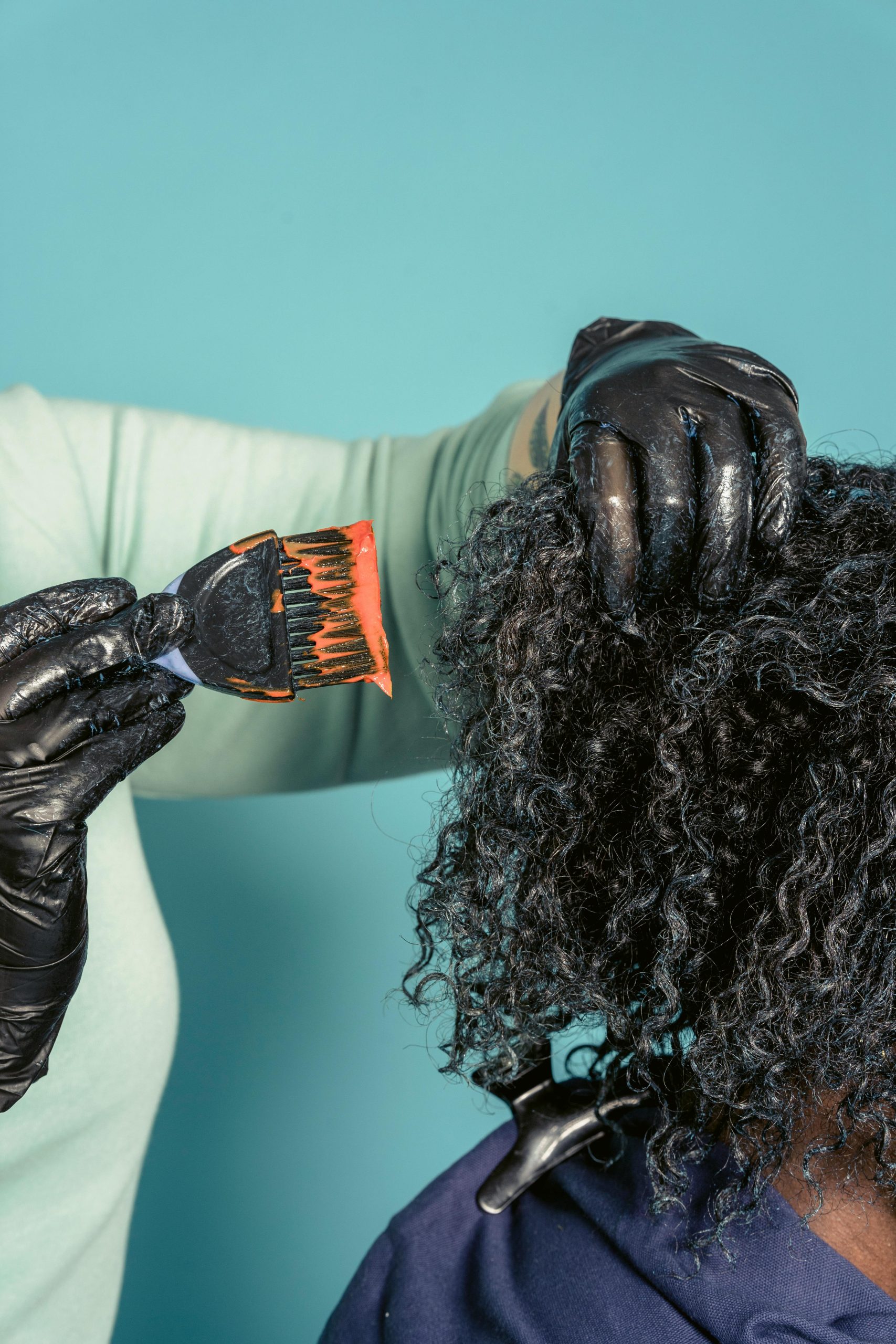
Chemical hair treatments promise instant smoothness, color, or style—but repeated use can seriously damage your hair over time. While these treatments may look good at first, they often weaken hair from the inside, leading to breakage, thinning, and long-term hair loss.
Understanding the risks can help you make healthier hair choices.
What Are Chemical Hair Treatments?
Chemical treatments alter the natural structure of hair using strong ingredients. Common examples include:
- Hair coloring and bleaching
- Hair straightening (rebonding, relaxing)
- Perming and texturizing
- Keratin and smoothening treatments
- Chemical-based hair dyes
These processes break the hair’s natural protein bonds to change its shape or color.
How Chemical Treatments Damage Hair
1. Weakens Hair Structure
Chemicals break down keratin, the protein that gives hair its strength. This makes hair fragile and prone to breakage.
2. Causes Excessive Hair Fall
Damaged hair shafts snap easily, while scalp irritation can weaken hair roots, increasing hair shedding.
3. Dries Out Hair and Scalp
Most chemical treatments strip natural oils, leading to dryness, frizz, and an itchy scalp.
4. Triggers Scalp Problems
Repeated exposure can cause:
- Dandruff
- Scalp sensitivity
- Allergic reactions
- Chemical burns (in severe cases)
5. Slows Hair Growth
An unhealthy scalp environment affects hair follicles, reducing new hair growth over time.
Signs Your Hair Is Damaged by Chemicals
- Rough, straw-like texture
- Split ends and excessive breakage
- Increased hair fall after treatments
- Dull, lifeless appearance
- Burning or itching scalp
- Hair that won’t grow past a certain length
If these signs appear, it’s time to take a break from chemicals.
Long-Term Risks of Frequent Chemical Treatments
- Chronic hair thinning
- Permanent hair loss in sensitive areas
- Loss of natural curl or texture
- Weakened hairline and crown
- Increased scalp sensitivity
The damage builds slowly, often becoming noticeable only after months or years.
Healthier Alternatives to Chemical Treatments
- Use natural or herbal hair dyes (henna, indigo)
- Embrace your natural hair texture
- Try heat-free styling methods
- Use protein and moisture hair masks
- Opt for temporary, ammonia-free color if needed
Natural care supports hair strength without altering its structure.
Tips to Minimize Damage If You Use Chemicals
If you can’t avoid chemical treatments completely:
- Space treatments at least 3–6 months apart
- Always do a patch test
- Deep condition hair regularly
- Avoid overlapping chemical processes
- Protect hair from sun and heat
- Use sulfate-free, gentle shampoos
Who Should Avoid Chemical Treatments Completely?
- People with excessive hair fall or thinning
- Those with sensitive or damaged scalps
- Pregnant women (unless approved by a doctor)
- Individuals recovering from illness or stress-related hair loss
Final Thoughts
Chemical hair treatments may offer quick results, but healthy hair is built over time. Avoiding or limiting these treatments helps preserve hair strength, thickness, and natural beauty.
Choosing gentle, natural care today can prevent hair problems tomorrow.